Why Trauma Triggers the Body: How the Nervous System Remembers and Heals
Why trauma lives in the body, how triggers work, and how healing can feel safe again.
December 17, 2025•6 min read

Fathima Bathool
Consultant Psychologist
Trauma is not just an event stored in the memory; it is an experience stored in the body, in the nervous system, and in the brain's survival circuitry. Long after the traumatic situation has ended, the body may continue to respond as though the danger is still present. This is why people often feel confused when they react strongly to something that seems small, harmless, or unrelated. The truth is simple: the body remembers what the mind has tried to move on from.
Trauma is not a weakness. It is a biological adaptation. Your nervous system learned to protect you in a moment of fear, threat, or helplessness, and those lessons sometimes remain long after the event has passed.
Understanding trauma triggers helps us approach healing with compassion, awareness, and patience.
Trauma Lives in the Nervous System, Not Just the Mind
When a traumatic event happens, the brain shifts into survival mode. Instead of processing the experience calmly, the body activates emergency responses: fight, flight, freeze, or fawn. These reactions are designed to protect you.
Over time, even when the danger is gone, your nervous system may still be primed to react the same way.
Why this happens:
- The brain prioritizes survival over reasoning.
- The amygdala, which is responsible for detecting threats, becomes overly sensitive.
- The body learns patterns of defense that become automatic.
- The nervous system stores sensations, not just thoughts.
This is why trauma isn't just remembered as a story, it is remembered as a feeling, a reaction, a physical response.
How Trauma Triggers Actually Work
A trauma trigger can be anything: a sound, smell, tone of voice, place, sensation, or even an emotion that resembles something from the traumatic moment. What matters is not the trigger itself, but what it signals to the brain.
The Amygdala Responds Before You Think
When you encounter a trigger, the amygdala (the brain's alarm system) reacts before your logical mind can make sense of the situation. This means:
- You feel danger even when you know you are safe.
- Your body reacts faster than your thoughts.
- The response is automatic, not chosen.
The amygdala cannot distinguish between past and present. It only senses similarity and activates the same protection mechanisms.
Why This Feels So Intense
Trauma triggers activate the same physiological responses experienced during the original event:
- Heart racing
- Breathing changes
- Sweating
- Muscle tension
- Feeling frozen or overwhelmed
- Feeling disconnected from reality
It's not imagination. It's not an overreaction. It's the body doing its best to protect you based on past learning.
Common Trauma Responses
While everyone's trauma responses are unique, several patterns are widely recognized. reactions are not character flaws they are nervous system responses designed for survival.
1. Hypervigilance
This is a constant state of alertness. The nervous system remains on high alert, scanning for danger even when there is none. Signs include:
- Difficulty relaxing
- Startling easily
- Overanalyzing people's behavior
- Feeling unsafe in neutral situations
- Expecting something bad to happen
Hypervigilance develops because the brain learned that danger can appear unexpectedly.
2. Freeze or Shutdown
Sometimes, instead of running or fighting, the body shuts down. This happens when the brain perceives escape as impossible. Signs include:
- Feeling numb
- Being unable to speak
- Emotional detachment
- Feeling stuck in your body
- Losing energy suddenly
Freezing is a protective mechanism, not a failure.
3. Panic
Panic attacks can be triggered when the body misinterprets harmless cues as threats. Symptoms include:
- Rapid heartbeat
- Shortness of breath
- Chest tightness
- Feeling like you're losing control
- Sudden fear with no obvious cause
These panic responses often mirror the emotional state during the trauma, even if the trigger seems unrelated.
4. Dissociation
Dissociation is the mind's way of protecting itself from overwhelming emotion. It can feel like:
- Watching yourself from outside your body
- Feeling unreal
- Losing track of time
- Going numb emotionally
- Feeling disconnected from surroundings
It is not intentional it is a survival strategy the brain uses to cope with intense stress.
Why Triggers Happen Even When You Feel "Fine"
Many people believe that if they are functioning well, the trauma must be gone. But triggers can appear unexpectedly, even years later.
This happens because trauma is stored in:
- Implicit memory (unconscious body memory)
- Sensory memory (smells, sounds, sensations)
- Emotional memory (fear, helplessness, shame)
A person might not consciously remember the trauma, but their body does. Healing, therefore, is not about forcing yourself to recall the event. It is about teaching your body that it is safe now.
Healing Trauma: Why Recollection Isn't the Goal
A common misconception is that healing trauma requires reliving or explaining the event in detail. But modern trauma therapy shows that healing does not come from forcing memory. It comes from regulating the nervous system.
Healing focuses on:
- Bringing the body into a state of safety
- Calming the amygdala
- Rebuilding trust in your internal signals
- Learning grounding techniques
- Creating predictable emotional patterns
- Strengthening the connection between mind and body
When the body learns safety, the intensity of triggers begins to lessen.
What Trauma-Informed Healing Looks Like
- You learn to recognize your body's signals.
- You gradually strengthen your ability to stay present.
- You practice grounding exercises like breathwork, sensory awareness, or movement.
- You form safe relationships where emotional connection feels possible again.
- You replace survival reactions with regulated responses.
Trauma is healed through safety, not through pressure.
Why the Body Remembers
The body remembers because it is built to keep you alive. Every rapid heartbeat, every freeze, every panic response is your body saying:
"I am trying to protect you."
During trauma, the nervous system learned that certain sensations, emotions, or experiences were dangerous. It stored these patterns as survival strategies. Even when the danger has passed, the body keeps using those strategies because it does not realize life has changed.
Healing teaches the nervous system a new message:
"You are safe now."
Reclaiming Your Body After Trauma
Healing trauma is not about erasing the past. It is about changing your relationship with your body. With support, awareness, and regulation skills, the nervous system can begin to trust again.
Over time, healing brings:
- Less intense triggers
- More emotional control
- A greater sense of safety
- Stronger boundaries
- Deeper self-understanding
- Better relationships
- A calmer body and mind
The journey is not linear, but every step toward regulation is a step toward freedom.
Too much on your mind?
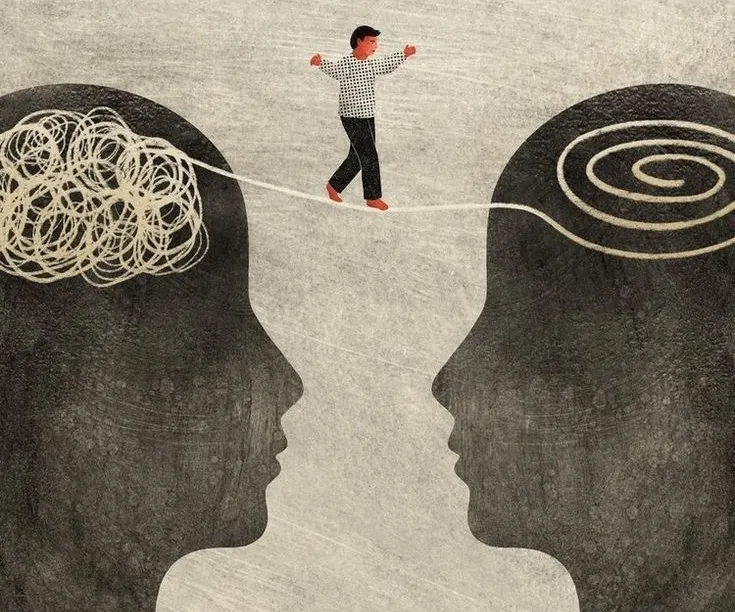
A therapist can help you untangle stress and make space for calm again.
Talk to Our TherapistFinal Thoughts
Trauma triggers are not signs of weakness; they are signs of survival. Your body remembers because it once had to protect you. But just as it learned fear, it can learn safety again.
Healing is possible. With compassion, support, and the right tools, the nervous system can transform from a place of constant alarm to a place of peace. You deserve that peace.